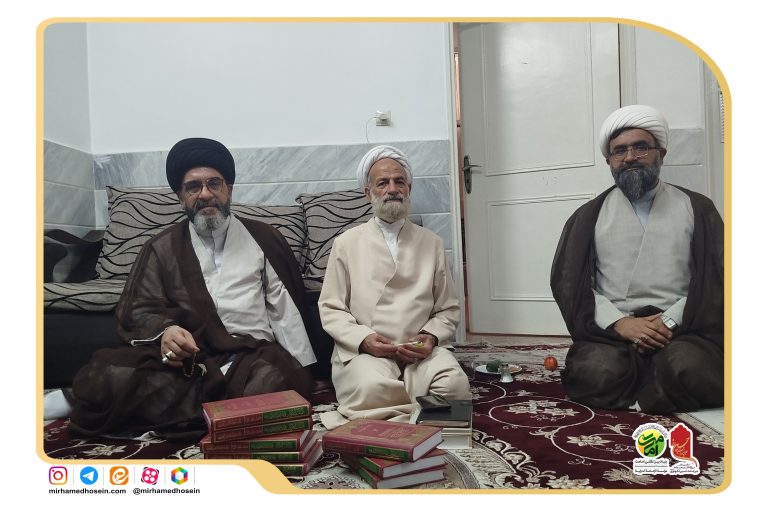
Meeting of the Members of the Secretariat of the International Congress on Allamah Mir Hamed Hussain with Hojatoleslam wal-Muslimeen Zia Towhidi
Emphasis on the Need to Introduce Prominent Shi‘i Theological Figures and Produce Persuasive Content
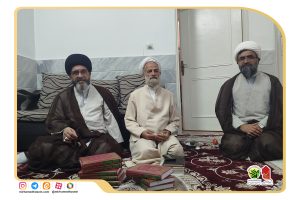
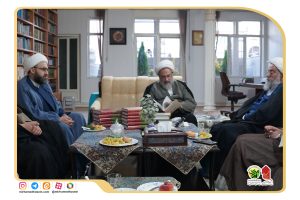
A group of members and researchers from the Secretariat of the International Congress Commemorating Allamah Mir Hamed Hussain Lakhnawi (May Allah sanctify his soul) visited the residence of Hojatoleslam wal-Muslimeen Zia Towhidi (May his glory increase), one of the prominent professors and researchers of the Qom Seminary, and met and spoke with him. During this cordial meeting, a report was presented on the latest scholarly, research, and international activities of the Congress. Hojatoleslam wal-Muslimeen Zia Towhidi emphasized the necessity of bringing prominent Shi‘i theological figures out of relative obscurity and making use of modern media methods.
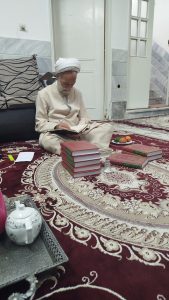
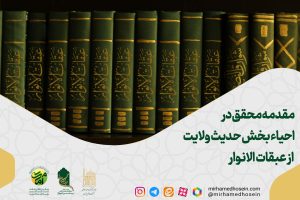
During the meeting, following the report presented by the Secretary of the Congress on obtaining copies of the works and sources, the process of reviving the works and producing the scholarly outputs of the Congress, as well as the process of attracting scholarly articles, Hojatoleslam wal-Muslimeen Zia Towhidi (May his glory increase) expressed great satisfaction with the Secretariat’s commitment to reviving the works of the Lucknow theological school. He described the noble book Abaqat al-Anwar as an unparalleled work and stated:
“The noble book Abaqat al-Anwar is a work that addresses all dimensions of the subject of Imamate and is virtually unparalleled in the Islamic world. This monumental work not only establishes the legitimacy of Imamate, but also analyzes the status of sources, the reliability of chains of transmission, and various doubts and objections with astonishingly extensive research. Unfortunately, today the prominent figures of Shi‘i theology—especially such towering personalities—remain somewhat unknown even among seminary students. It is therefore essential to bring these great scholars out of obscurity so that the new generation of the seminary may find the motivation to enter the field of theological research.”
He then presented several important proposals and strategies to further enhance the impact of the Congress:
- Producing short, persuasive multimedia content: Referring to the need to engage with younger audiences and the general public, he stated: “The concise and decisive responses of Allamah Mir Hamed Hussain to various doubts and objections—in connection with hadiths such as Hadith al-Tayr, Hadith al-Manzilah, and others—should be used to produce short video and audio clips with an engaging structure; for example, in the form of programs titled, ‘Your Question, Allamah Mir Hamed Hussain’s Answer.’ In addition to reaching the general public, such outputs can also create among seminary students a strong desire to consult the detailed texts of Abaqat al-Anwar.”
- Paying attention to independent works by earlier and later Sunni theologians: He emphasized further enriching discussions related to chains of transmission by drawing on works authored by Sunni scholars themselves in defense of the transmission routes of hadiths concerning the virtues of the Ahl al-Bayt, such as Fath al-Malik al-Ali bi-Sihhat Hadith Bab Madinat al-Ilm Ali, authored by Ahmad ibn Siddiq al-Ghumari.
- Building synergy with researchers and fostering scholarly momentum in seminary circles: Hojatoleslam wal-Muslimeen Zia Towhidi (May his glory increase), referring to his scholarly visits to the holy city of Mashhad and his teaching experience at Al-Mustafa International University and specialized institutes of theology, expressed his readiness to help generate scholarly momentum, encourage outstanding seminary students to write articles, and participate in specialized interviews on the foundations of theology. He also proposed introducing a number of capable writers and researchers specializing in critiques of the thought of Ibn Taymiyyah and Wahhabism for the preparation of papers for the Congress.