A session was held to review the draft of a long novel about Allamah Mir Hamid Husayn Lakhnavi.
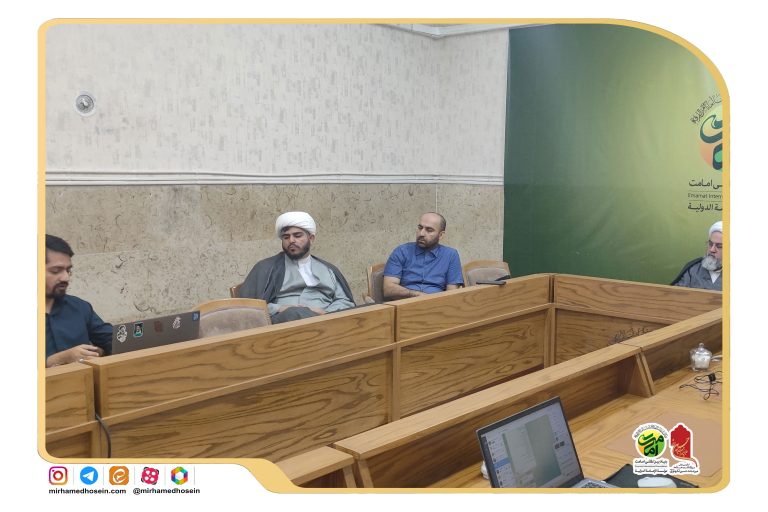
A review and consultation session regarding the writing of a long novel centered on the scientific personality and intellectual struggles of Allamah Mir Hamid Husayn Lakhnavi (may Allah have mercy on him) was held, with the presence of the members of the secretariat of the International Congress Commemorating this prominent scholar and the author of the work.
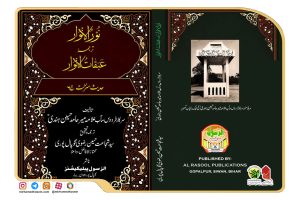
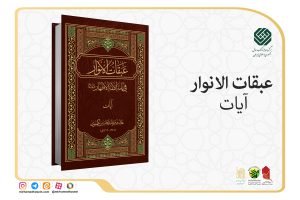
At the beginning of this meeting, the author of the project proceeded to explain the general approach of the work, and while presenting the framework of the story, emphasized the effort to create a fictional narrative based on historical realities. Referring to the necessity of utilizing literary capacities in introducing Allamah’s personality, he explained that in this work, an effort has been made to provide the possibility of an artistic narration of the life, scientific activities, and the intellectual and social atmosphere of Allamah’s era through designing a multi-layered narrative structure and using complementary characters; in such a way that while maintaining fictional attractiveness, the connection of the work with reliable sources, and especially the valuable book “Abaqat al-Anwar,” is also taken into consideration.
In the continuation, the attendees proceeded to express their views and suggestions. Among the most important points raised was the emphasis on preserving historical documentation alongside narrative attractions, avoiding the attribution of undocumented matters to the personality of Allamah, and the necessity of a deep and artistic representation of fundamental concepts such as Imamate within the context of the story. Also, designing active and influential characters in advancing the narrative, paying attention to the historical and intellectual contexts of Allamah’s era, and the smart utilization of fictional elements to transmit teachings (Ma’arif) were emphasized.
In this session, Hujjat-ul-Islam wal-Muslimeen Mohammad Taghi Sobhani, the president of the congress, while appreciating the formation of this project, considered it a valuable step toward introducing the scientific and intellectual heritage of Allamah Mir Hamid Husayn to today’s audience, and emphasized the necessity of a precise review of documents and strengthening the scientific support of the work in the next stages.
This project, if completed, can serve as one of the prominent works in the field of literary narration of the lives of Shiite scholars, laying the groundwork for broader cultural and artistic productions in the future.