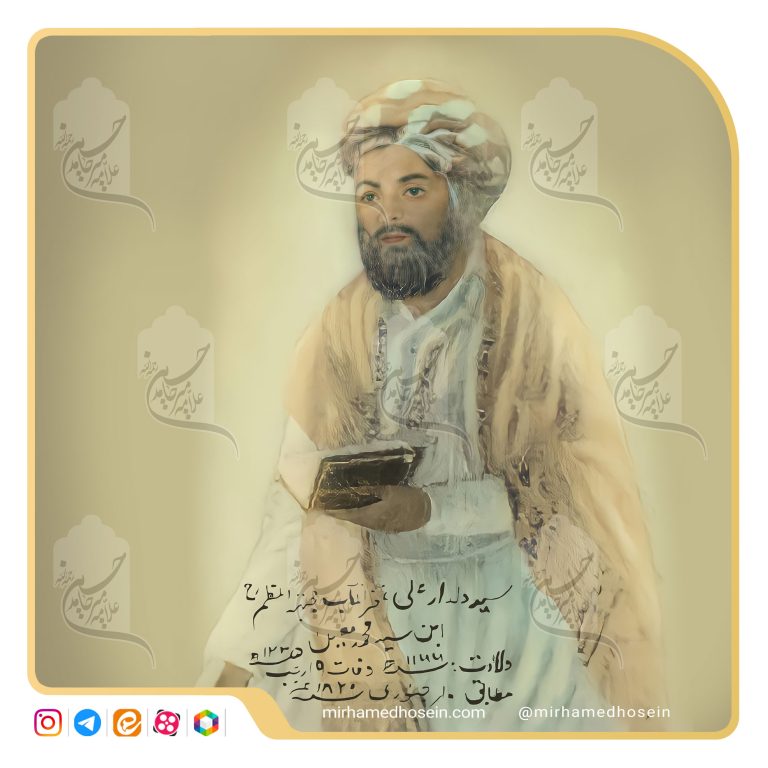
Commemorative Note
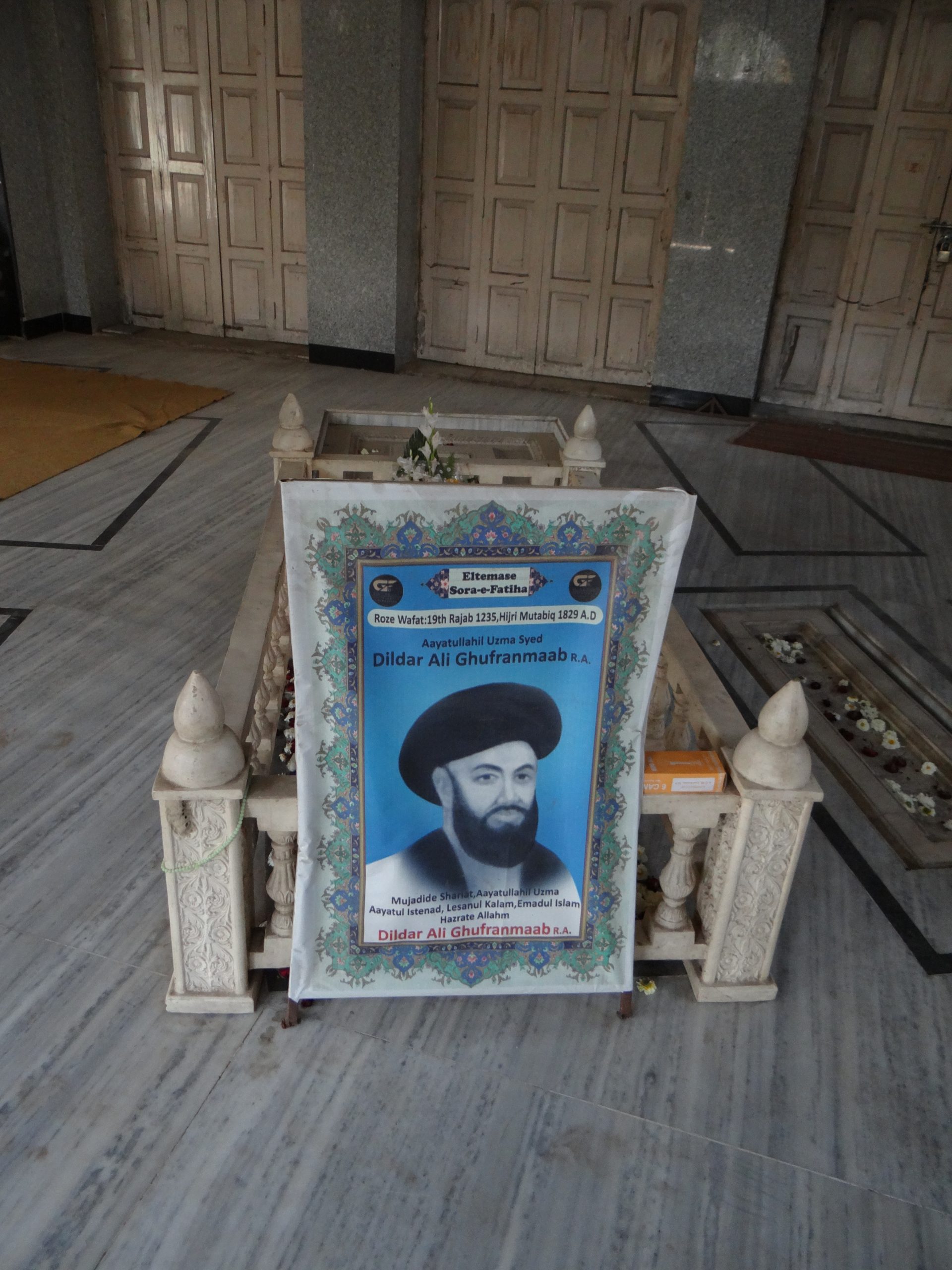
The 19th of Rajab marks the anniversary of the passing of an unwavering scholar from the lineage of defenders of the guardianship (Wilayah) and Imamate of Amir al-Mu’minin Ali (peace be upon him).
A renowned intellectual whom Sahib al-Jawahir, the late Sheikh Muhammad Hasan Najafi (may his soul be sanctified), described at the beginning of his letters with these expressions:
“The preeminent scholar, the speaking Book of God, the seal of jurists, God’s proof upon the worlds, Grand Ayatollah…”
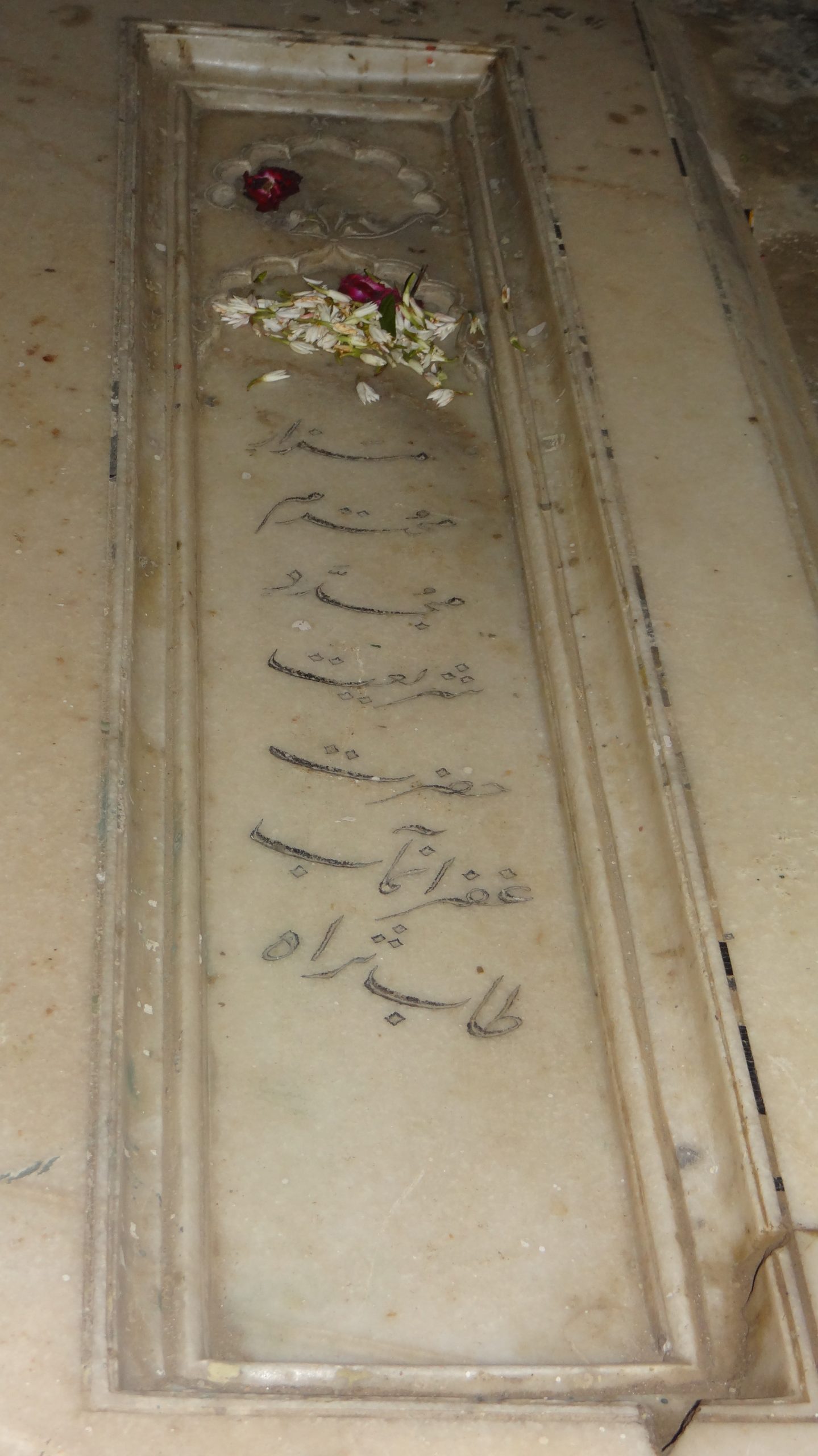
Mujaddid al-Shariah (Renewer of Islamic Law), Grand Ayatollah Sayyid Dildar Ali Naqvi, famously known as Ghufran Ma’ab, is a familiar name among researchers of Imamate and enthusiasts of rational and transmitted sciences. Born in 1166 AH in the village of Nasirabad, India, he gathered knowledge from the presence of great scholars such as Allama Wahid Bihbahani, Mirza Mahdi Shahristani, Sayyid Ali Tabatabai Ha’iri (author of Riyadh), Allama Bahr al-Ulum Sayyid Muhammad Mahdi Tabatabai Najafi, and Kashif al-Ghita, until he attained the highest degrees of knowledge and reached ijtihad.
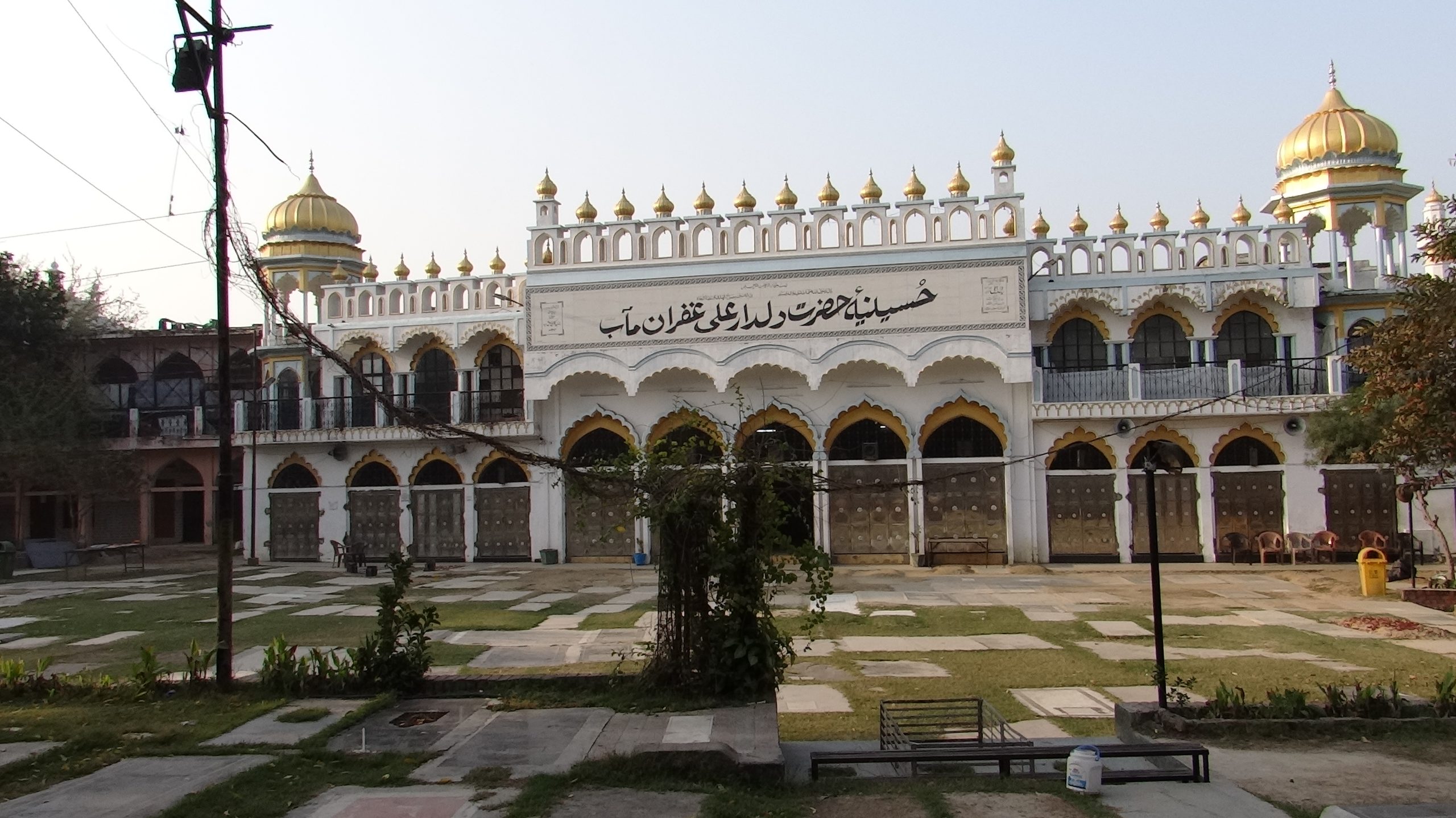
He was the founder of the blessed theological-jurisprudential school of Lucknow and the teacher of great jurists and theologians in that region. Among his diverse works in various religious sciences are:
- Itharat al-Ahzan fi Masa’ib Sayyid Shabab Ahl al-Jinan
- Asas al-Usul(a refutation of Mulla Muhammad Amin Astarabadi’s Fawa’id)
- Muntaha al-Afkarin principles of jurisprudence
- Mir’at al-Uqul, titled Imad al-Islamin theology
- Al-Shahab al-Thaqibrefuting Sufism
- Several works critiquing Tuhfa Ithna Ashariyya, including:
- Al-Sawarim al-Ilahiyyatand its conclusion (refuting the fifth chapter)
- Husam al-Islamand Siham al-Malam (refuting the sixth chapter)
- Ihya al-Sunna wa Imatat al-Bid’a(refuting the eighth chapter)
- Dhu al-Fiqar(refuting the twelfth chapter)
- Commentary on Mulla Sadra’s Sharh al-Hidaya
- Al-Risala al-Dhahabiyyaon rulings concerning gold and silver vessels
- Musakkin al-Qulub
- Mawa’iz al-Hasaniyya
Among all his scholarly legacy, his refutations of Tuhfa Ithna Ashariyya by Dehlawi and his theological work Imad al-Islam—considered by some as the greatest Shia theological text—played the most significant role in highlighting his prominence.
He passed away on the 19th of Rajab, 1235 AH, at the age of 69. The leadership of the Lucknow school and the Shia community in that region was then inherited by his distinguished son, Allama Sayyid Muhammad, famously known as Sultan al-Ulama.
Excerpted from: Shenakhtnameh Allama Mir Hamid Husayn (ra)