Sixth Preliminary Conference of the International Congress Commemorating Allama Mir Hamid Hussain (RA)

In the Name of God, the Most Gracious, the Most Merciful

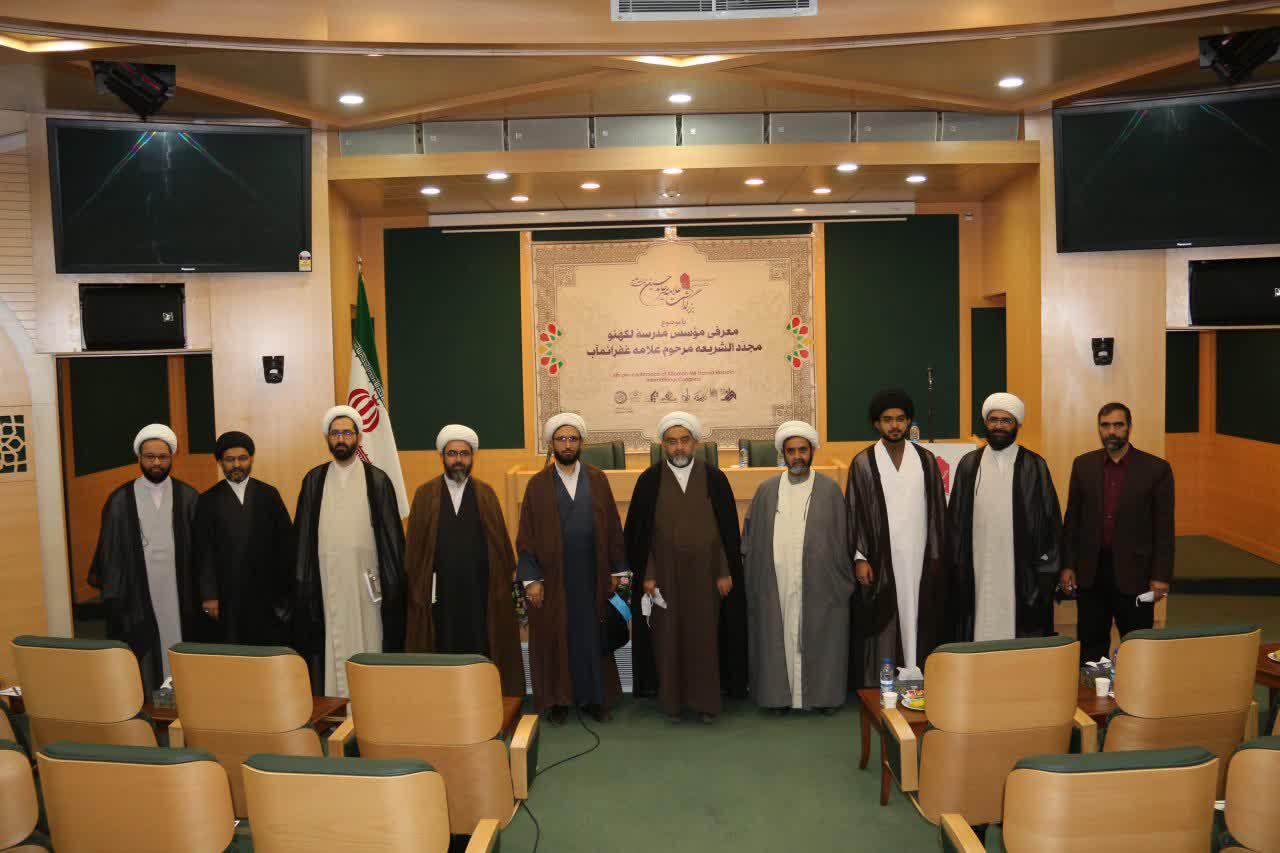
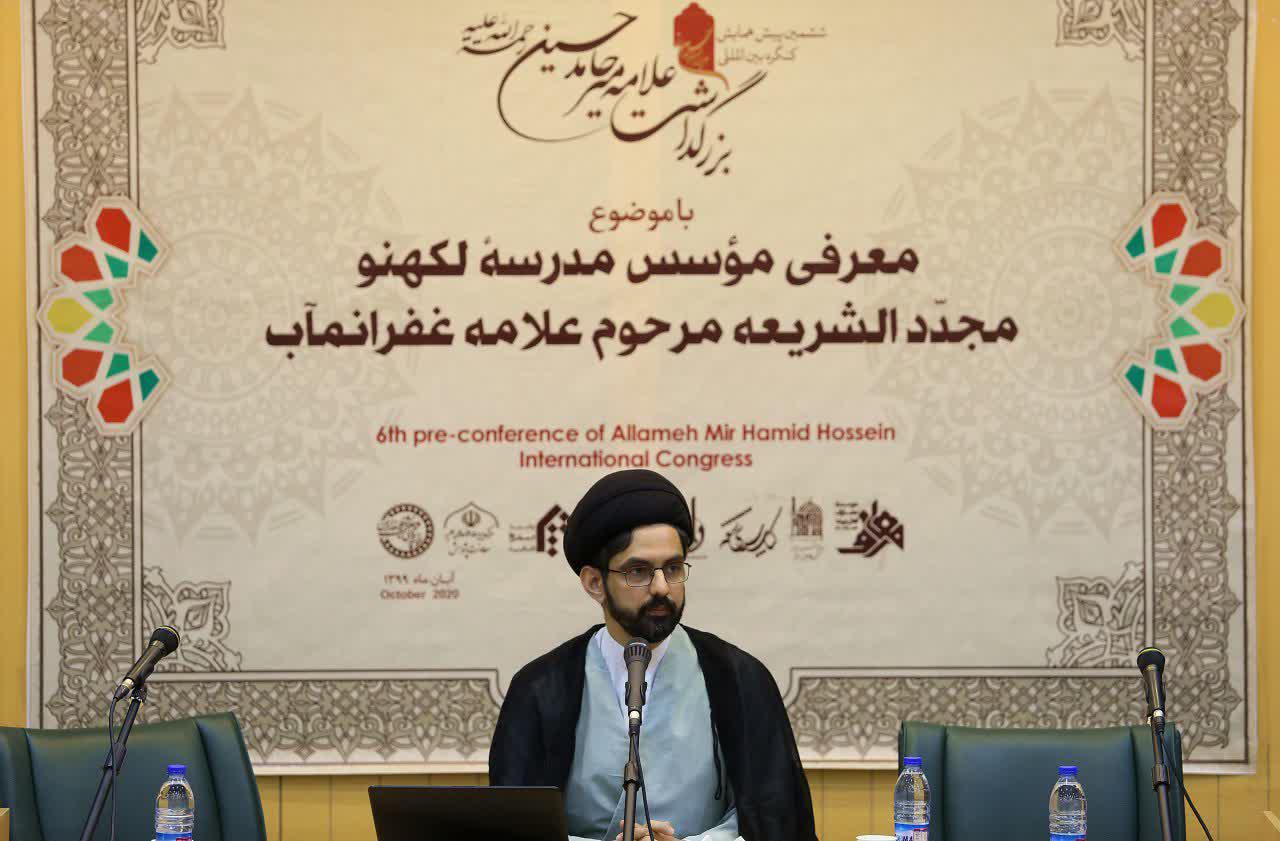
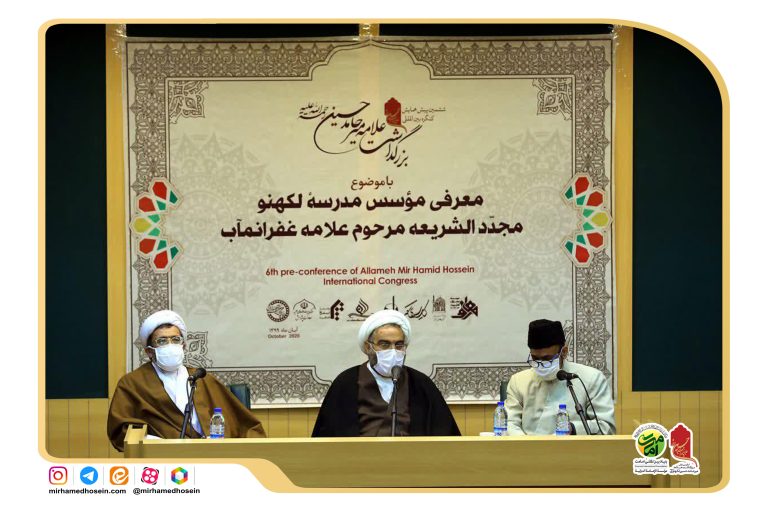
The sixth preliminary conference of the International Congress commemorating Allama Mir Hamid Hussain (RA) was successfully held by the grace of Almighty God and under the spiritual auspices of the Imam of the Age (may our souls be sacrificed for him), through the efforts of the Congress Secretariat.

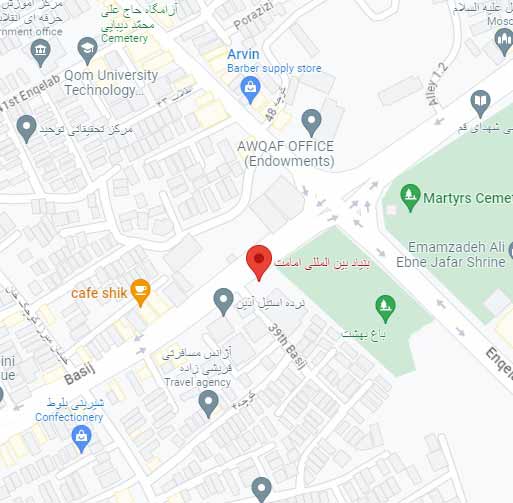
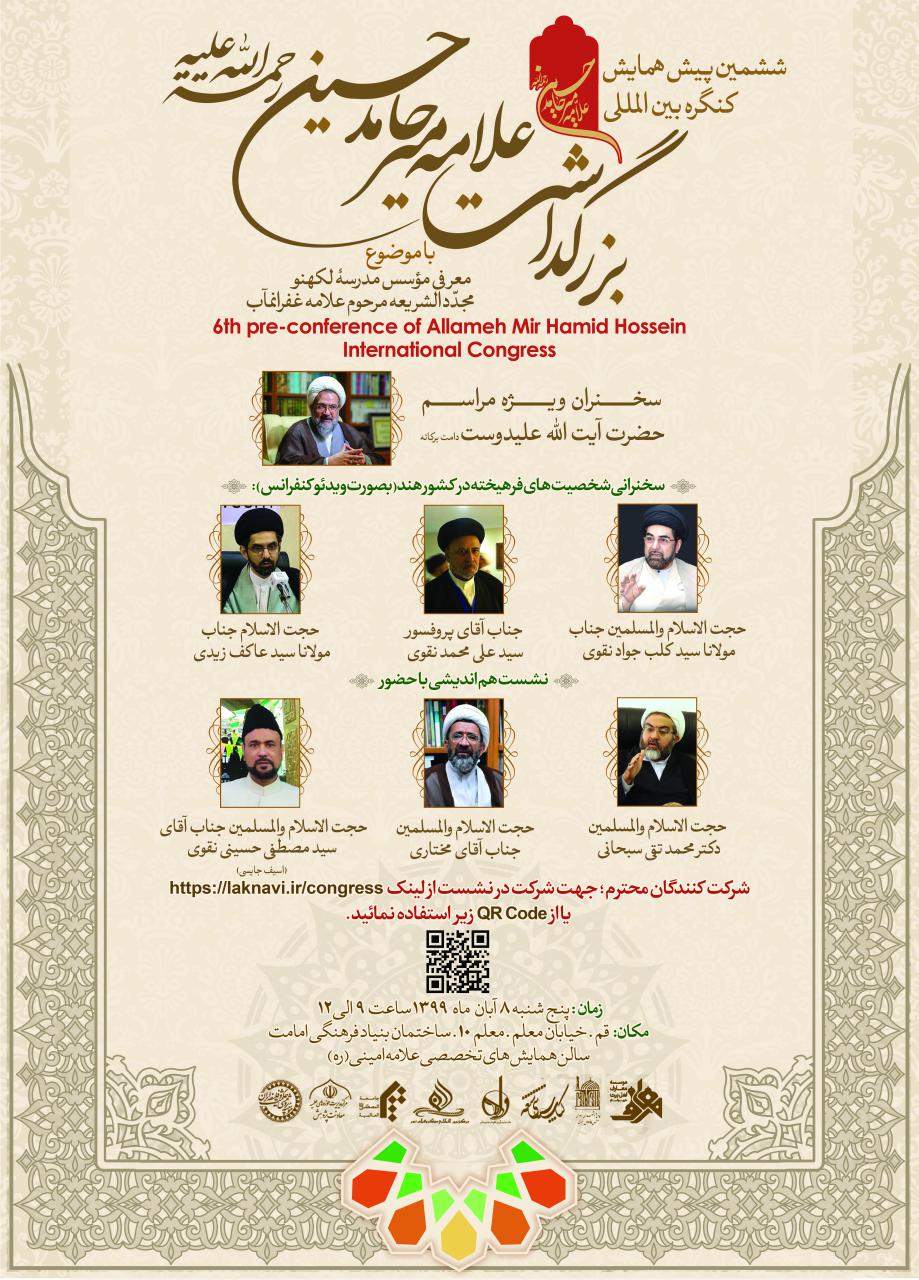
This session was held on Thursday, 8th Aban [October], at the Imamate Cultural Foundation with the theme: “Introducing the Founder of Lucknow School, Mujaddid al-Sharia, the Late Allama Ghufran Ma’ab (RA).”

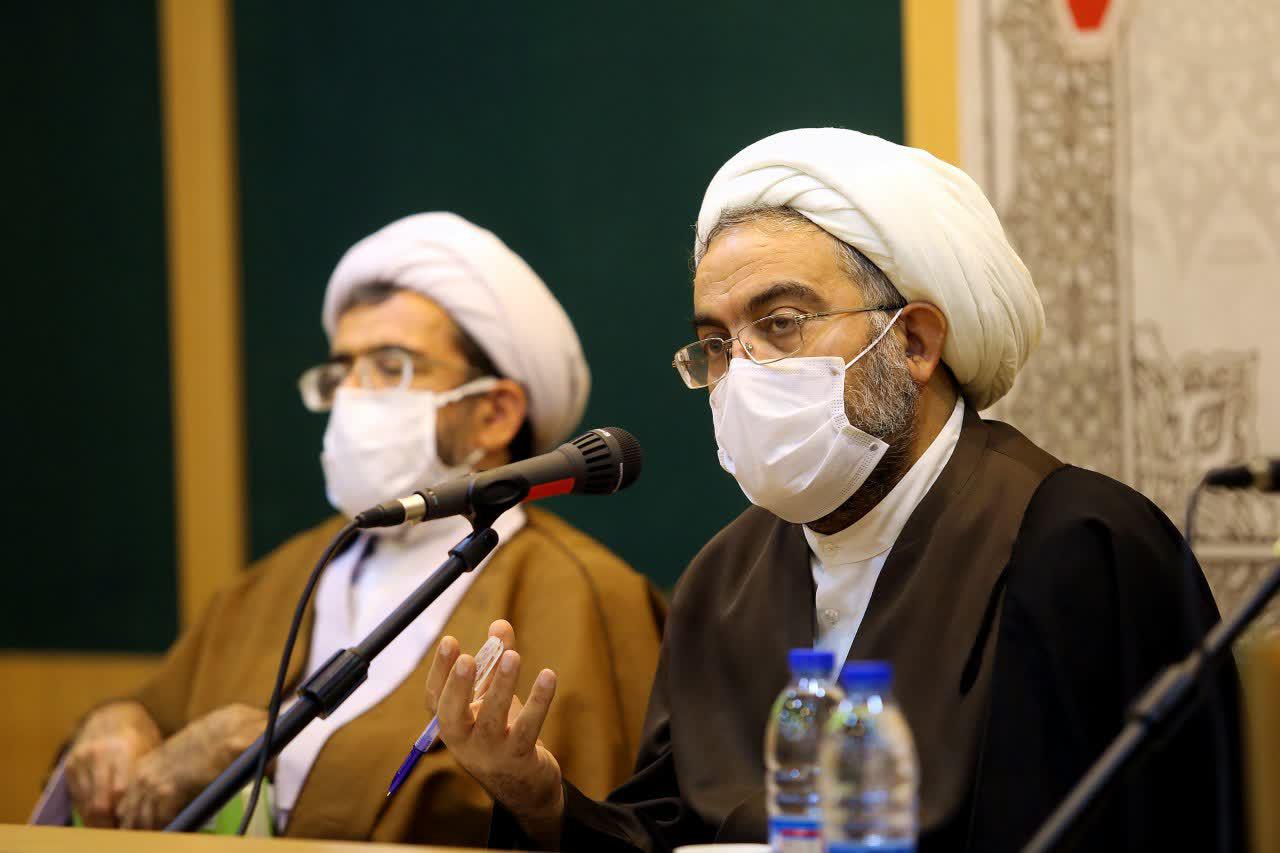
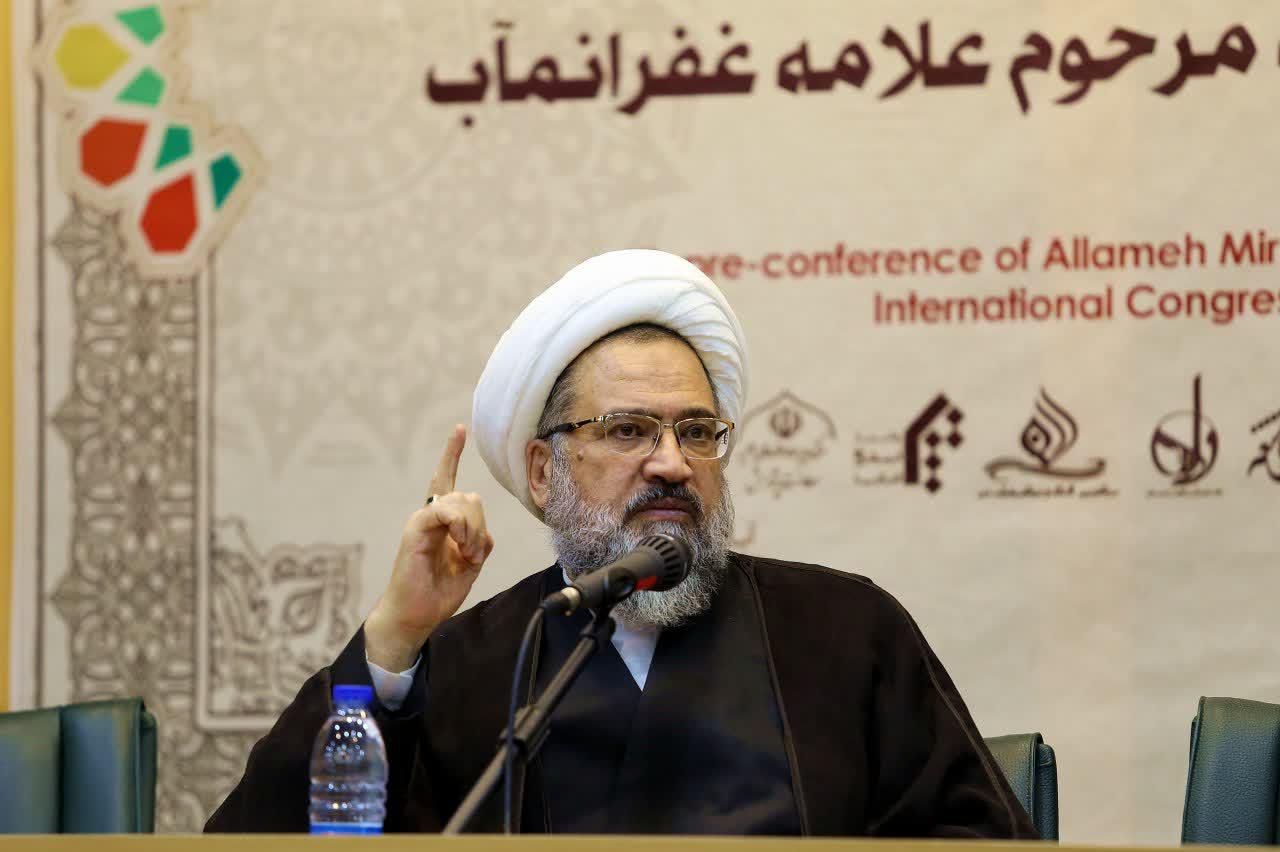
Following Quran recitation and welcoming remarks, attendees benefited from the speech of the special guest speaker, His Eminence Ayatollah Alidoust, professor of Kharij Fiqh and Usul at Qom Seminary and respected member of the Society of Seminary Teachers.

In his address titled “The Ijtihadi Contributions of Allama Ghufran Ma’ab (RA) and Critique of Akhbarism in the Subcontinent,” he outlined two reasons for choosing this topic: first, the inherent importance of Akhbari discourse throughout history, and second, its connection to Allama Ghufran Ma’ab’s intellectual legacy.

Highlighting the prolific scholarship of this Shia luminary, he noted that Allama Ghufran Ma’ab produced two seminal works of Usul al-Fiqh:

  1. “Asas al-Usul” – written in classical Usuli methodology as a refutation of Akhbarism
  2. “Muntaha al-Afkar” – serving as a commentary on Mirza al-Qummi’s “Qawanin al-Usul”

The speaker emphasized that these two contemporary scholars (Allama passing in 1235 AH and Mirza in 1231 AH) demonstrated Allama Ghufran Ma’ab’s remarkable scholarly breadth.

The lecture then examined the historical trajectory of Akhbari thought and its intellectual impact.


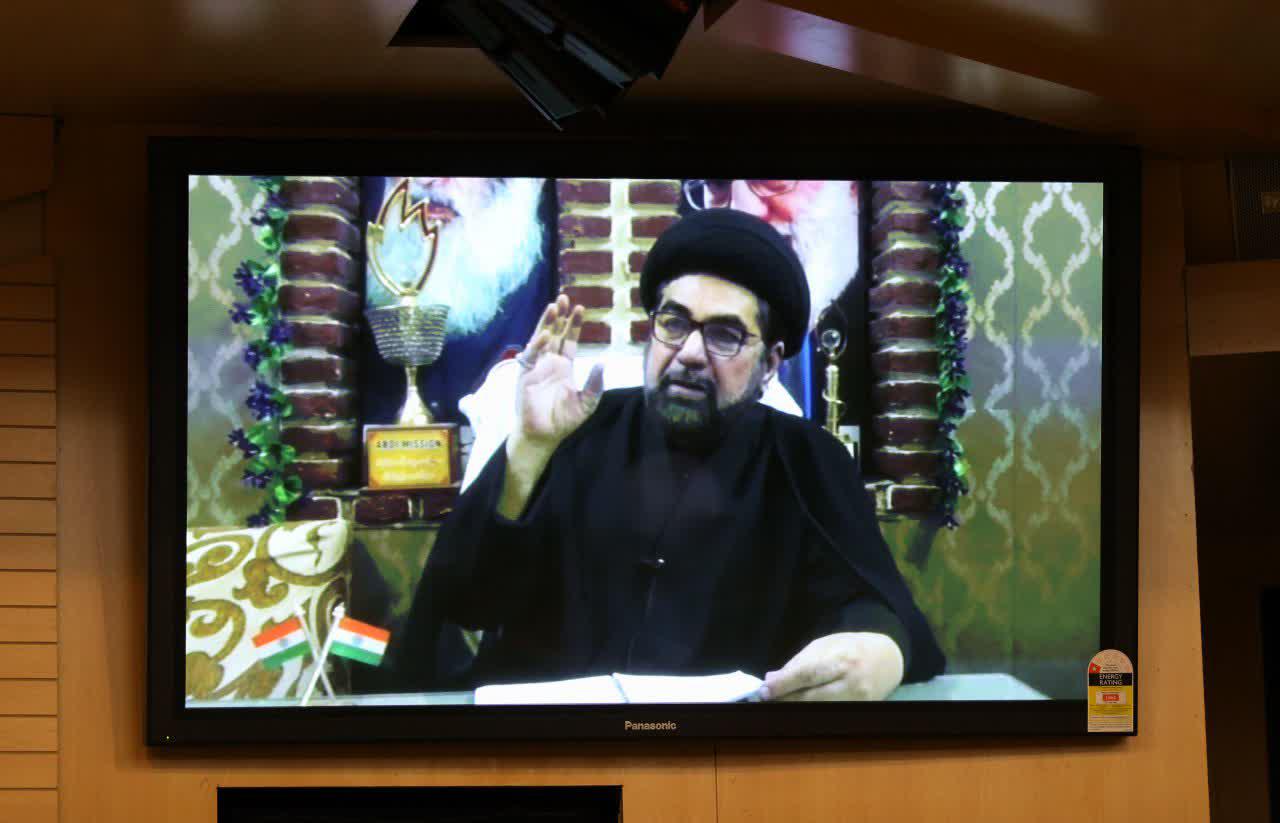
Subsequently, a speech by Hujjat al-Islam wal-Muslimin Maulana Kalb-e-Jawad Naqvi, Secretary-General of the Council of Ulema of India and Friday Prayer Leader of Shia Muslims in Lucknow, was broadcast. He highlighted Allama Ghufran Ma’ab’s pivotal role in advancing Shia scholarship in India.


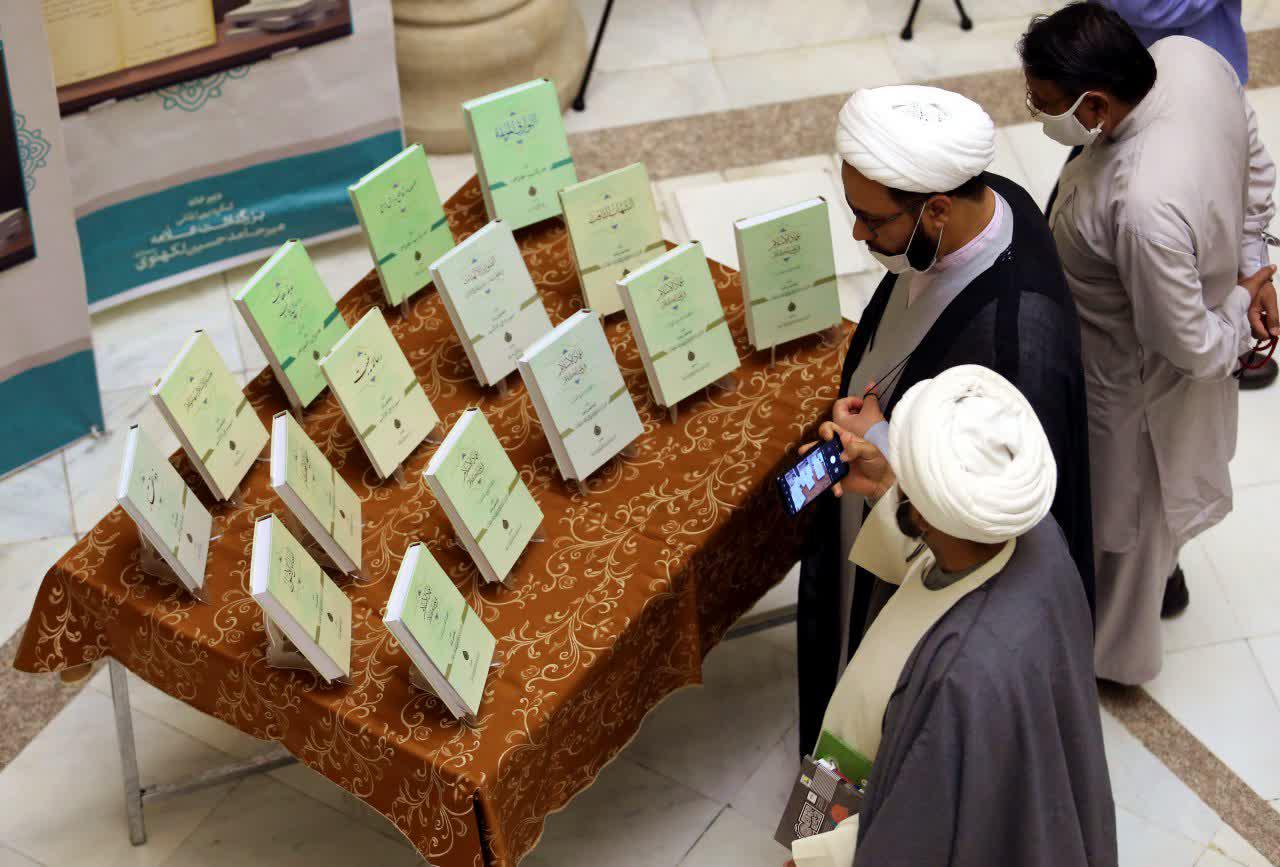
Hujjat al-Islam wal-Muslimin Mahdi Esfandiyari, Scientific Secretary of the Congress, then presented a progress report on the restoration projects of Lucknow’s theological school manuscripts.


A 15-minute documentary followed, showcasing the contributions of the Ijtihadi family.


Hujjat al-Islam wal-Muslimin Maulana Aakif Zaidi then analyzed Allama Ghufran Ma’ab’s role in countering ideological deviations in the Subcontinent, particularly his civilizational project in Northern India.


The academic session featured Hujjat al-Islam Asif Jaisi’s Urdu presentation (with translation) on the scholarly dimensions of the Ijtihadi family’s legacy.


Hujjat al-Islam Mukhtari identified four key contributions of this intellectual dynasty:

  1. Establishing a robust Shia scholarly center
  2. Compiling extensive research resources
  3. Educating prominent scholars
  4. Supporting seminaries in Najaf and Karbala


Congress President Hujjat al-Islam Dr. Sobhani concluded by emphasizing the growing recognition of Lucknow School’s theological significance, noting that no researcher in Islamic theology can overlook this intellectual heritage.


Leave a Comment

Your email address will not be published. Required fields are marked *

Notes

The Splendor of the Lucknow School in the Indian Travelogue of the Author of *al-Ghadir

The primary objective of this historic journey was to gain access to early, first-hand sources from both sides and to transcribe rare documents for the completion of the volumes of *al-Ghadir* and the enrichment of the Amir al-Mu’minin Library in Najaf. The highlight of the journey was his month-long stay in Lucknow, the warm hospitality and companionship of the Abaqat family, and the indescribable amazement of the author of *al-Ghadir* at the unparalleled holdings of the Nasiriyya Library—an event that immortalized the bond between two major centers devoted to defending the doctrine of Imamate in Najaf al-Ashraf and Lucknow.

Notes

Article: A Critique and Review of the Critical Edition of “Hadith Ali ma‘a al-Haqq” from Abaqat al-Anwar: Critical Editing and Research, or Corruption and Distortion?

“Hadith Ali ma‘a al-Haqq,” from the Abaqat al-Anwar encyclopedia, is an incomplete manuscript section that became available to researchers in recent years. This section consists of a collection of unorganized research slips and rough notes, most of which were written by copyists unfamiliar with the relevant vocabulary and terminology; consequently, what has survived is a disordered text containing numerous errors. Recently, a portion of these notes that possesses greater order and continuity was selected by an institute in Qom and published with grand claims of “critical editing, research, and annotation” and described as “a rarely matched scholarly investigation.”

Manuscript Repository

The Researcher’s Introduction to the Revival of the Qur’anic Verses Section of Abaqat al-Anwar

The present volume is a researched and critically edited edition of this monumental work. In preparing this edition, every effort has been made, as far as possible, to exercise the degree of precision, patience, and diligence befitting the critical editing and study of an exceptional work such as Abaqat al-Anwar, and to honor the efforts of the devoted scholar Allamah Mir Hamed Hussain Lakhnawi in compiling this book by presenting a sound and critically established text. Accordingly, an effort has been made to produce a final text so thoroughly refined, corrected, and critically examined that the reader of Abaqat al-Anwar will perceive no difference in editorial quality between its First Manhaj, whose two extant copies are manuscripts, and its Second Manhaj, whose surviving copies are printed and well preserved.

News & Announcements

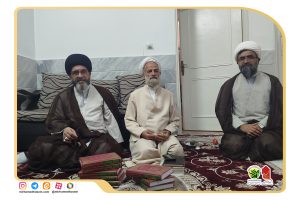
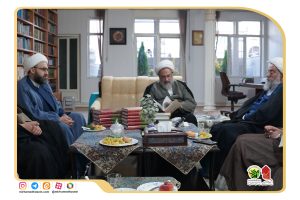
President and Members of the Secretariat of the International Congress Commemorating Allamah Mir Hamed Hussain Meet with Ayatollah Alidoost

During a meeting between the president and members of the Secretariat of the International Congress Commemorating Allamah Mir Hamed Hussain and Ayatollah Abolqasem Alidoost, a report was presented on the progress of reviving 70 volumes of the heritage of the Lucknow scholarly school, preserving the documents of the Nasiriyya Library, and extracting the theological methodology of the author of Abaqat al-Anwar. The distinguished professor of the Qom Seminary also referred to the enduring impact of text-centered conferences and emphasized the systematic analysis of the manner in which Allamah interacted with the hadith heritage, the observance of proper etiquette in criticism, and the avoidance of non-academic disputes in the contemporary context.

Scroll to Top