In the Name of God, the Most Gracious, the Most Merciful
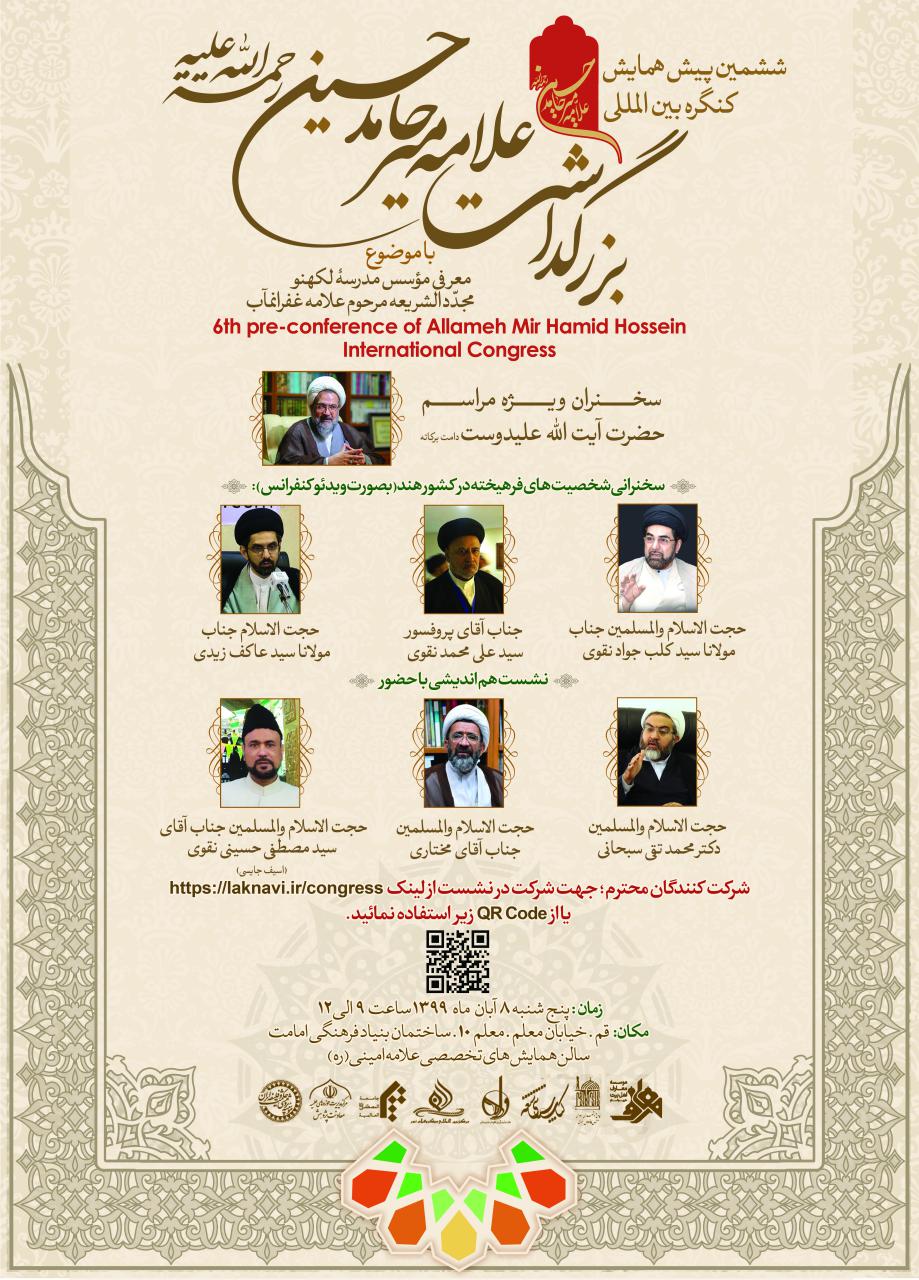
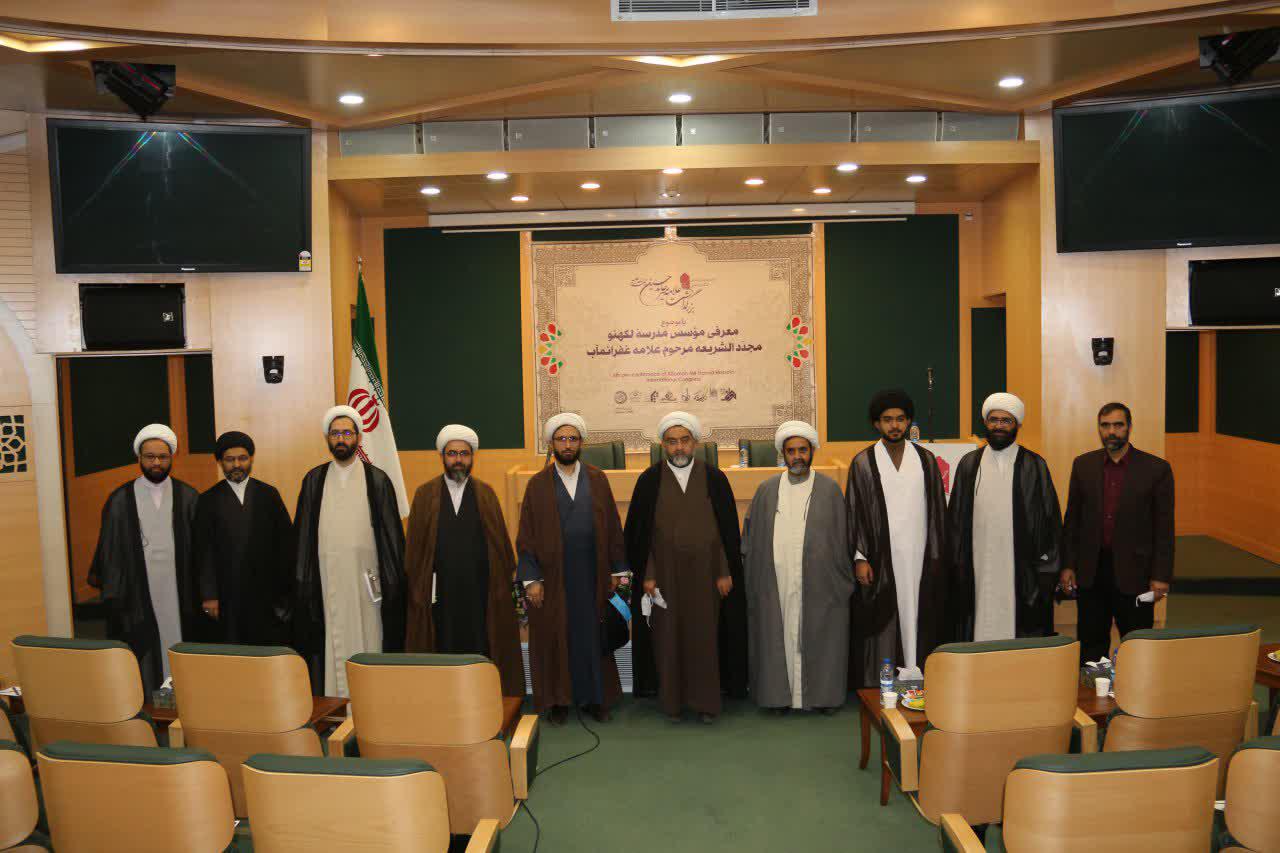
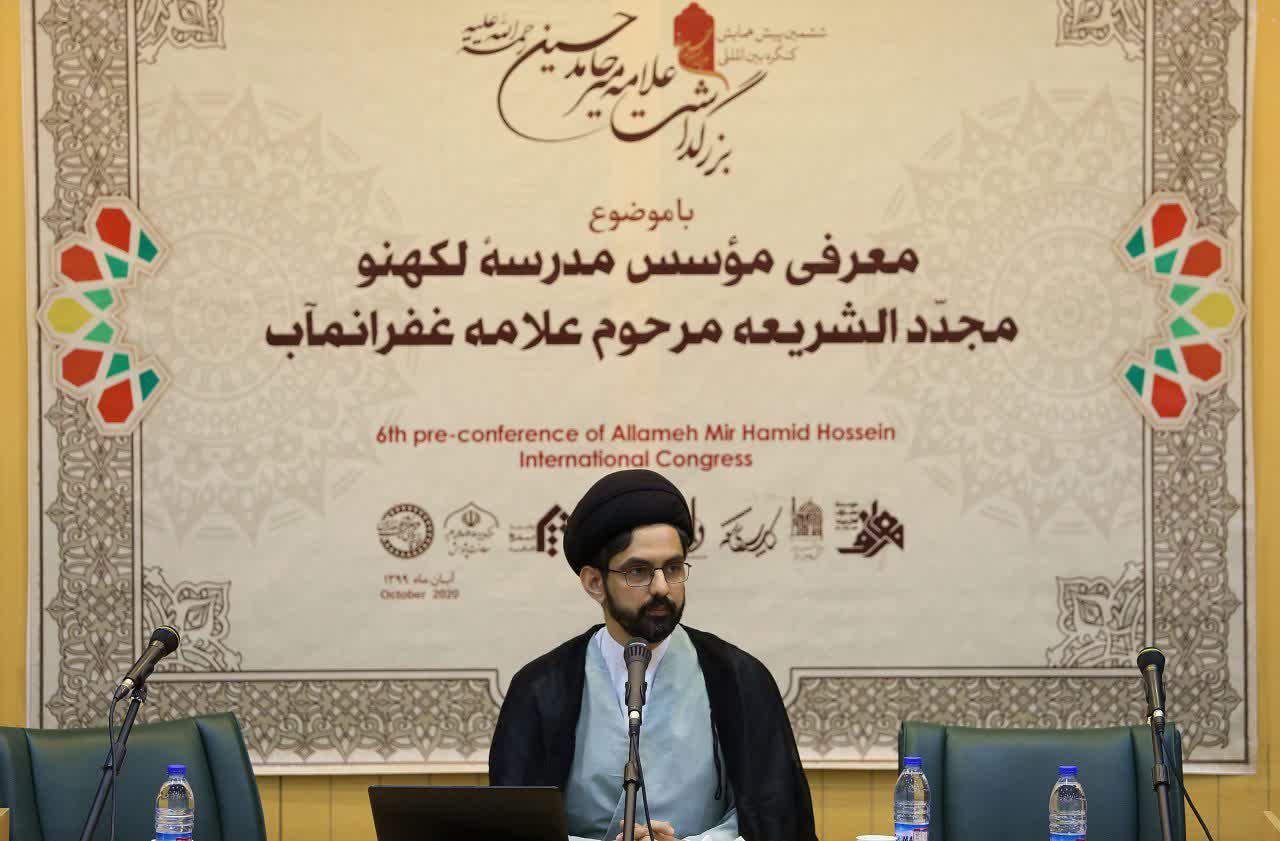
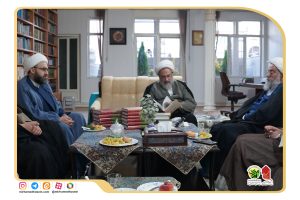
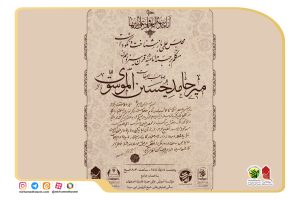
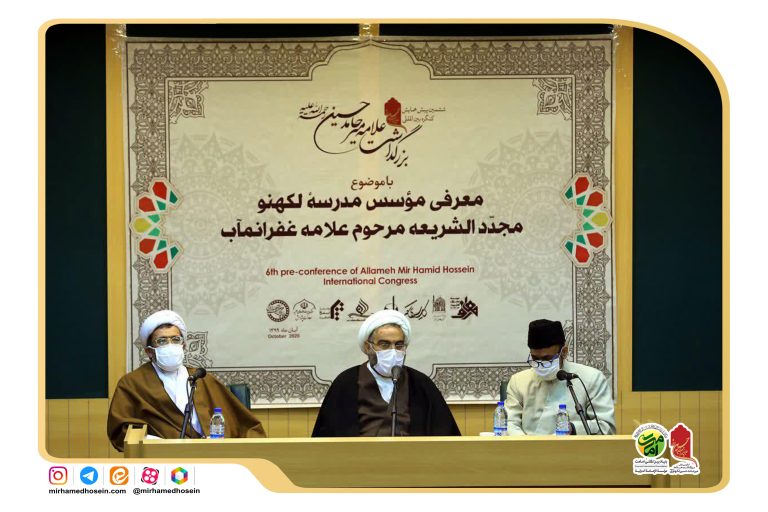
The sixth preliminary conference of the International Congress commemorating Allama Mir Hamid Hussain (RA) was successfully held by the grace of Almighty God and under the spiritual auspices of the Imam of the Age (may our souls be sacrificed for him), through the efforts of the Congress Secretariat.
This session was held on Thursday, 8th Aban [October], at the Imamate Cultural Foundation with the theme: “Introducing the Founder of Lucknow School, Mujaddid al-Sharia, the Late Allama Ghufran Ma’ab (RA).”
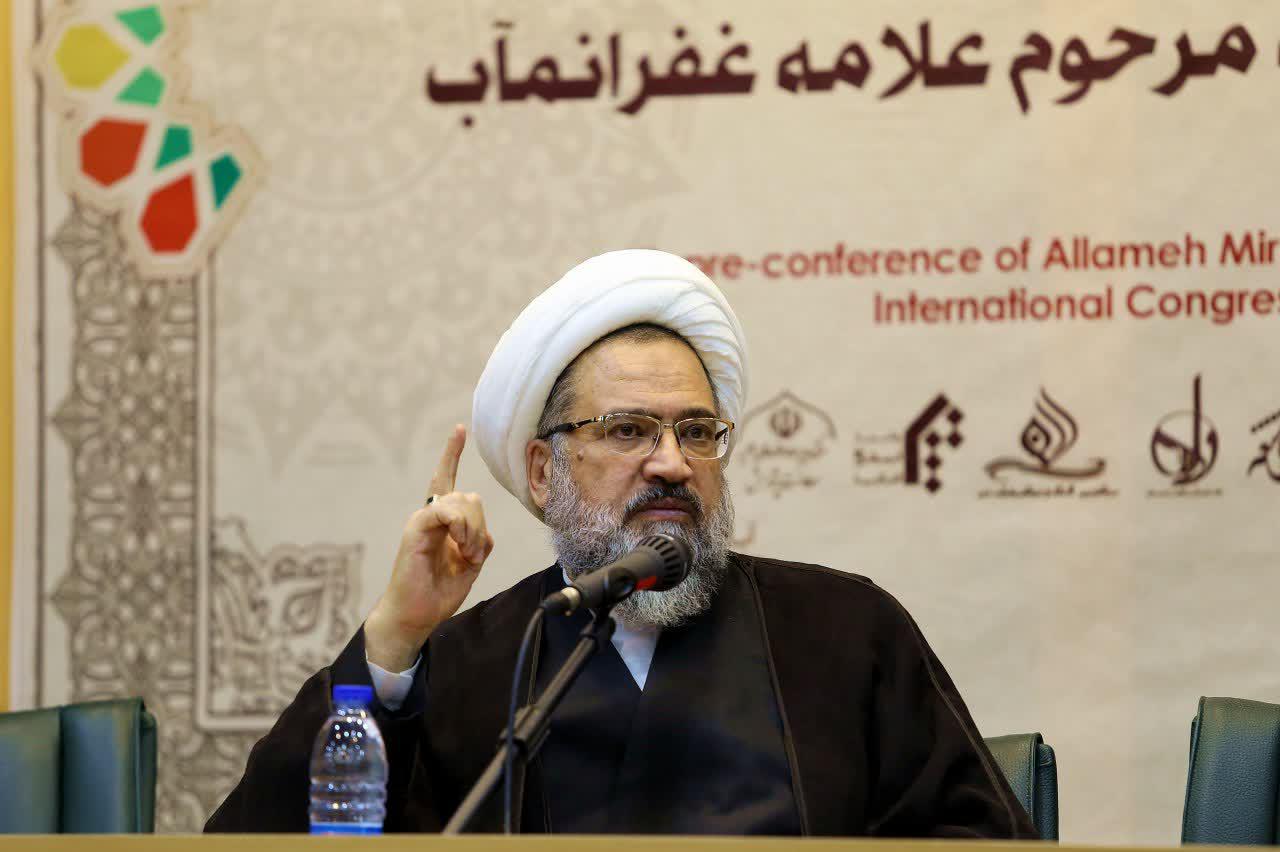
Following Quran recitation and welcoming remarks, attendees benefited from the speech of the special guest speaker, His Eminence Ayatollah Alidoust, professor of Kharij Fiqh and Usul at Qom Seminary and respected member of the Society of Seminary Teachers.
In his address titled “The Ijtihadi Contributions of Allama Ghufran Ma’ab (RA) and Critique of Akhbarism in the Subcontinent,” he outlined two reasons for choosing this topic: first, the inherent importance of Akhbari discourse throughout history, and second, its connection to Allama Ghufran Ma’ab’s intellectual legacy.
Highlighting the prolific scholarship of this Shia luminary, he noted that Allama Ghufran Ma’ab produced two seminal works of Usul al-Fiqh:
- “Asas al-Usul” – written in classical Usuli methodology as a refutation of Akhbarism
- “Muntaha al-Afkar” – serving as a commentary on Mirza al-Qummi’s “Qawanin al-Usul”
The speaker emphasized that these two contemporary scholars (Allama passing in 1235 AH and Mirza in 1231 AH) demonstrated Allama Ghufran Ma’ab’s remarkable scholarly breadth.
The lecture then examined the historical trajectory of Akhbari thought and its intellectual impact.
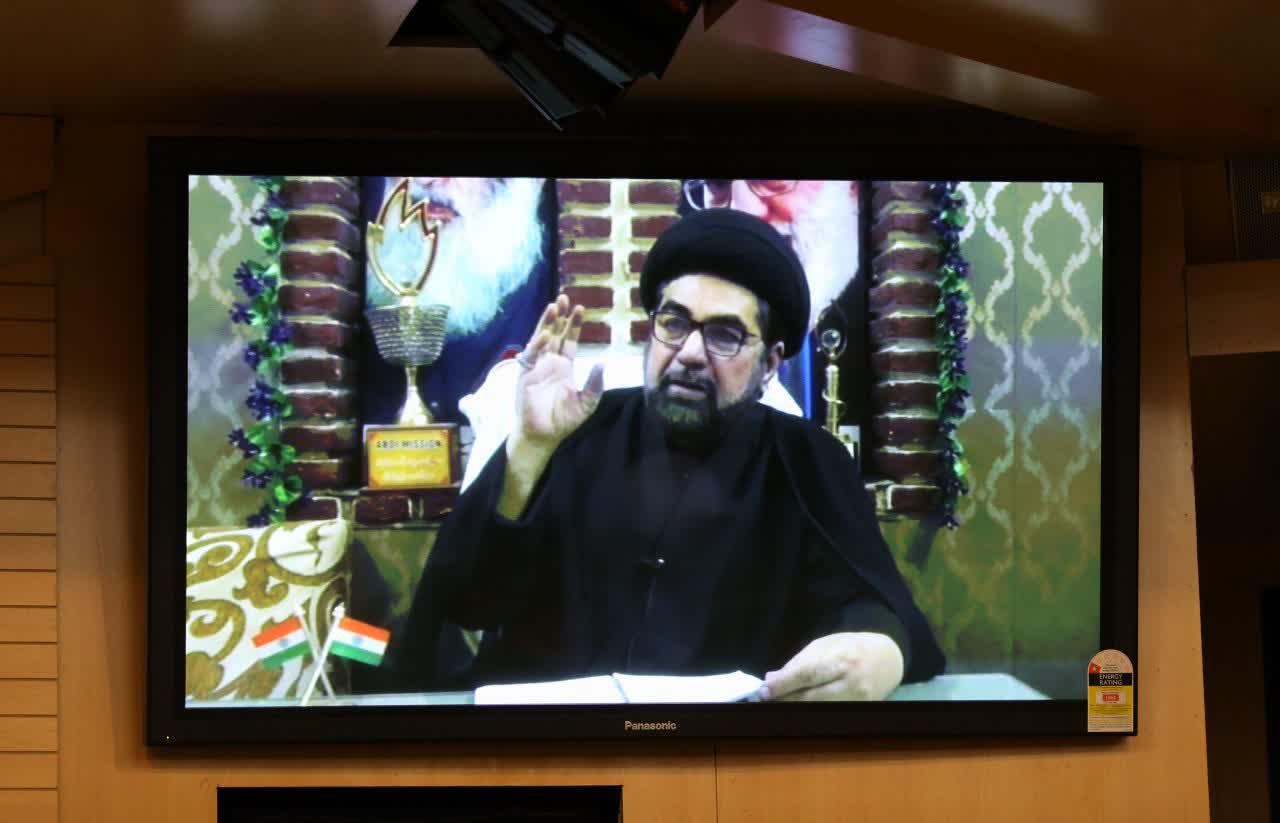
Subsequently, a speech by Hujjat al-Islam wal-Muslimin Maulana Kalb-e-Jawad Naqvi, Secretary-General of the Council of Ulema of India and Friday Prayer Leader of Shia Muslims in Lucknow, was broadcast. He highlighted Allama Ghufran Ma’ab’s pivotal role in advancing Shia scholarship in India.
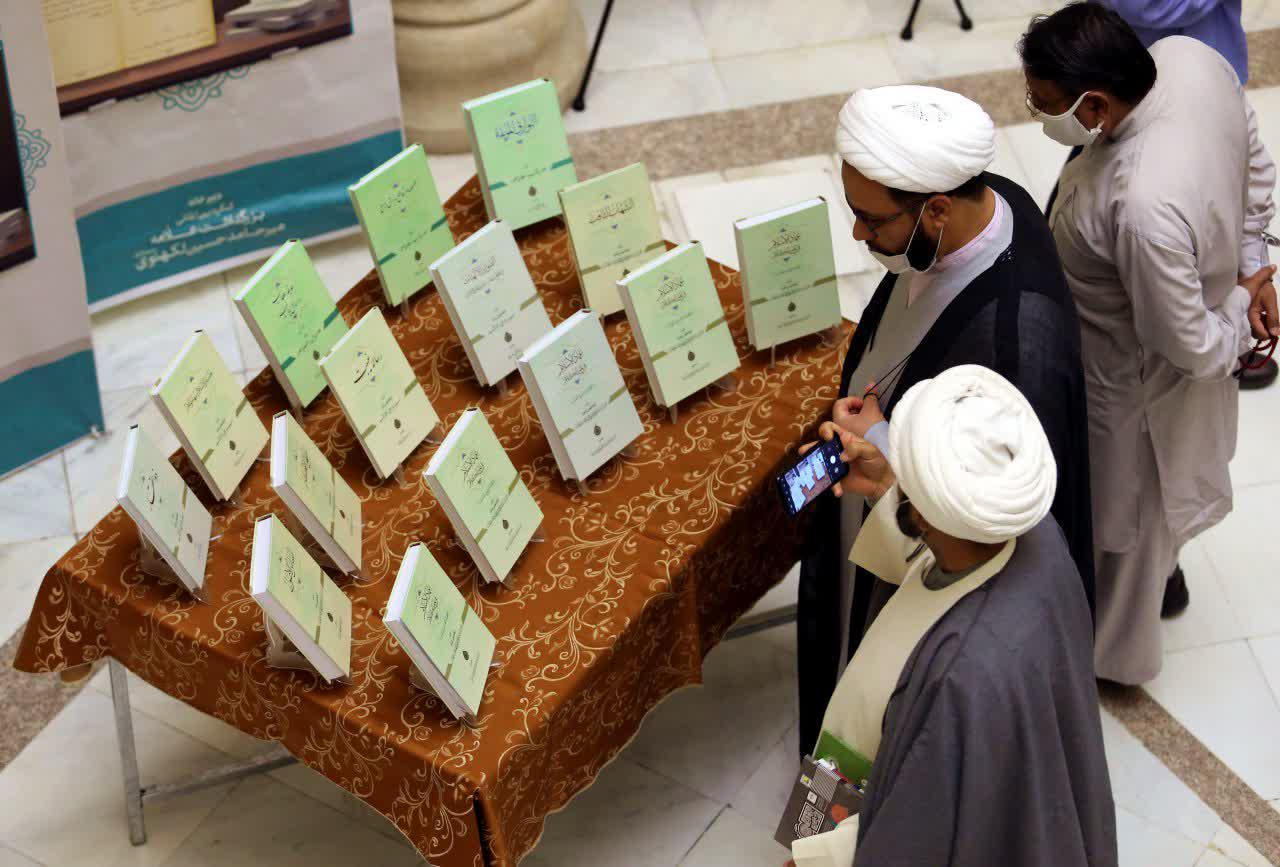
Hujjat al-Islam wal-Muslimin Mahdi Esfandiyari, Scientific Secretary of the Congress, then presented a progress report on the restoration projects of Lucknow’s theological school manuscripts.
A 15-minute documentary followed, showcasing the contributions of the Ijtihadi family.
Hujjat al-Islam wal-Muslimin Maulana Aakif Zaidi then analyzed Allama Ghufran Ma’ab’s role in countering ideological deviations in the Subcontinent, particularly his civilizational project in Northern India.
The academic session featured Hujjat al-Islam Asif Jaisi’s Urdu presentation (with translation) on the scholarly dimensions of the Ijtihadi family’s legacy.
Hujjat al-Islam Mukhtari identified four key contributions of this intellectual dynasty:
- Establishing a robust Shia scholarly center
- Compiling extensive research resources
- Educating prominent scholars
- Supporting seminaries in Najaf and Karbala
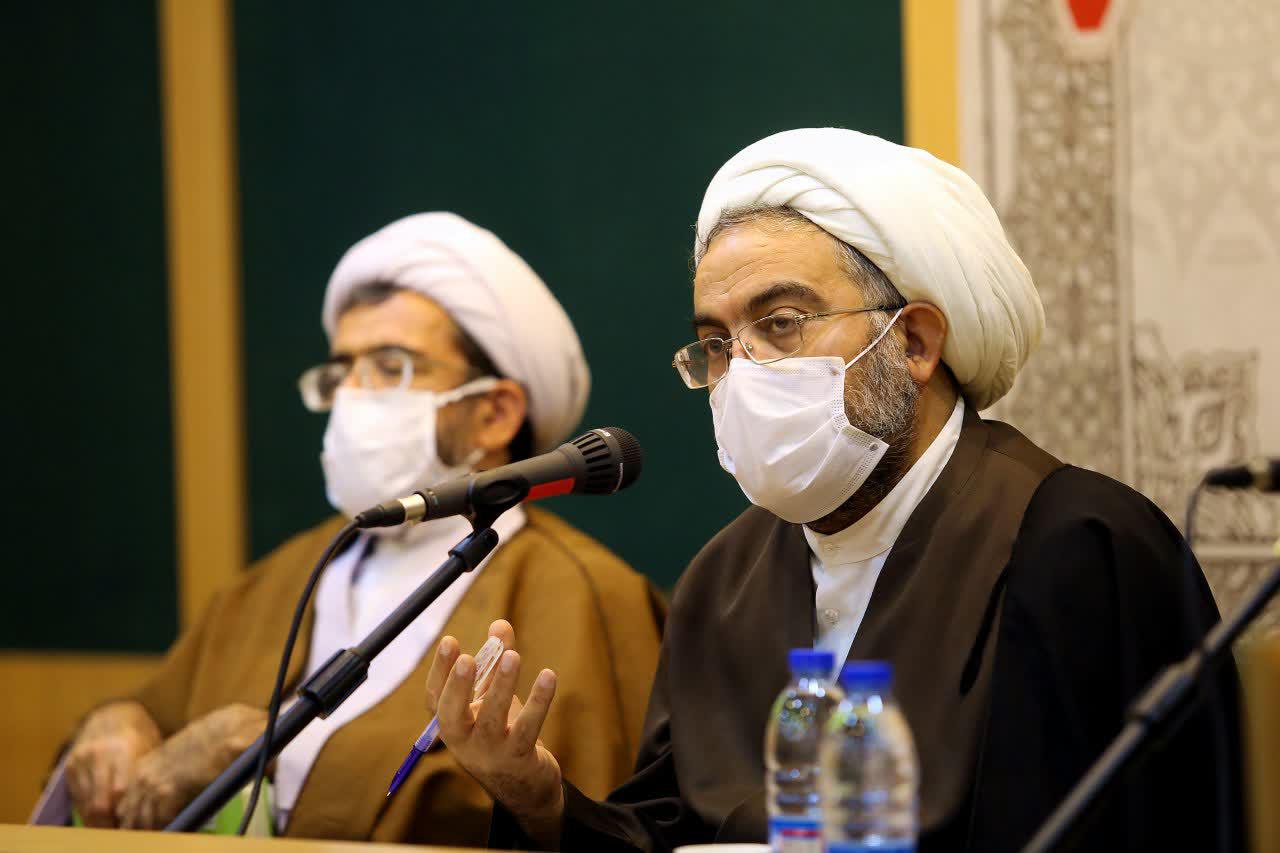
Congress President Hujjat al-Islam Dr. Sobhani concluded by emphasizing the growing recognition of Lucknow School’s theological significance, noting that no researcher in Islamic theology can overlook this intellectual heritage.